Ashtray: A Handwritten Script Font for Modern Web Design
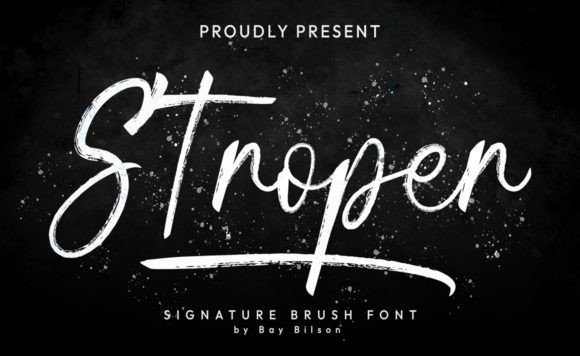
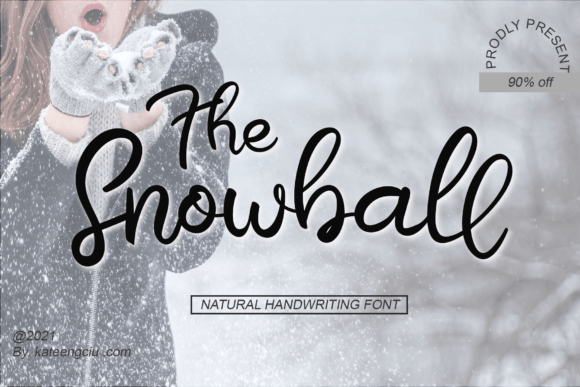
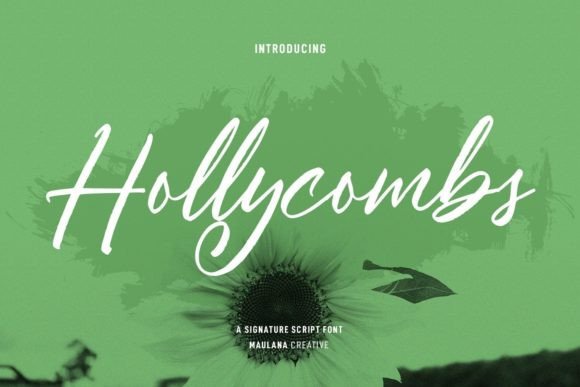
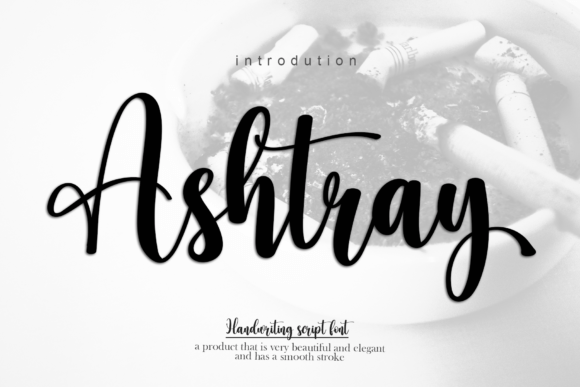
Ashtray is a charming, handwritten script font designed to bring a touch of romance and personality to digital spaces. With its flowing strokes and natural cadence, it stands out as a Script Amp typeface that feels both personal and intentional. As a web designer, I look for fonts that can enhance visual hierarchy while maintaining readability, and Ashtray delivers on both fronts when used strategically.
This font works best in display settings—hero titles, section headers, and branding elements—where its expressive character can shine without compromising usability. Its soft curves and organic texture make it ideal for creative portfolios, boutique brands, and wellness-focused websites where warmth and authenticity are key.
How Ashtray Enhances Web Design and Digital Branding
Incorporating Ashtray into a website’s typographic system adds a distinct visual voice. It’s particularly effective in hero sections, where the font can serve as the focal point of a landing page or product showcase. When used for headlines or logo text, Ashtray creates a memorable first impression that aligns with brand tone, especially for businesses that want to convey elegance or intimacy.
Its script nature makes it less suitable for long-form body text, but when paired with clean sans serif fonts like Open Sans or Lato, it becomes a powerful tool for visual contrast. This pairing strategy supports readability while allowing Ashtray to highlight key messages, such as call-to-action buttons or feature headings.
Practical Applications in Digital Layouts
On landing pages, Ashtray performs well in headline areas, drawing attention without overwhelming the layout. For example, a course sales page can use Ashtray for the course title, while supporting content uses a more neutral typeface. This helps guide the user’s eye and improves content scanning behavior.
Online store owners can leverage Ashtray in banner graphics, product packaging design mockups, or special promotional tags. It also works well in social media graphics and blog headers, where a handwritten aesthetic supports a more personal, approachable brand identity.
For creative professionals like illustrators, designers, or copywriters, using Ashtray in a portfolio site header or testimonial section can elevate the emotional impact of the design. The font’s expressive qualities help reinforce a unique visual identity that stands out in a competitive digital landscape.
Readability Considerations Across Devices
While Ashtray is visually rich, it’s important to use it with care on mobile screens. At smaller sizes, the script’s fine details can become blurred or illegible, especially on lower-resolution displays. To maintain clarity, I recommend using Ashtray at larger font sizes for headlines and limiting its use to short phrases or brand names.
When placing Ashtray over images or dark backgrounds, ensure sufficient contrast. A light overlay or text shadow can help maintain readability without sacrificing visual appeal. For buttons or CTA elements, consider using Ashtray sparingly—perhaps only for decorative accents or alongside a simpler font for the main label.
Font Pairing Strategies for Web Design
One of the most effective ways to integrate Ashtray into a digital design system is through thoughtful font pairing. Since it’s a decorative script, it pairs well with minimalist sans serif or serif fonts that provide balance and structure.
For example, using Ashtray as a headline font with a serif like Merriweather for subheadings and body text creates a layered yet cohesive editorial design. Alternatively, pairing it with a modern sans serif like Inter or Montserrat gives a more contemporary feel, ideal for SaaS landing pages or digital brand kits.
When designing a brand identity system, consider using Ashtray for logo design or packaging design while relying on a more neutral font for supporting content. This ensures consistency while allowing the brand to feel both expressive and professional.
Technical Considerations for Web Use
Before embedding Ashtray into a live website, it’s important to check the available file formats and webfont support. Most premium fonts include WOFF and WOFF2 formats, which are optimized for performance and compatibility across modern browsers.
Also, verify whether the font includes stylistic alternates, ligatures, or multiple weights. These features can enhance typographic richness, especially when designing custom headers or branded web content. Multilingual support is another factor to consider if your audience includes non-English speakers.
Licensing and Commercial Use
When using Ashtray in client projects, online stores, or digital templates, always confirm the font’s licensing terms. Many script fonts are sold with standard licenses that cover web use, but extended licenses may be required for larger-scale applications like SaaS platforms or downloadable brand kits.
For web designers, ensuring proper font licensing is part of maintaining professionalism and legal compliance. Some font marketplaces offer subscription-based access to a library of fonts, which can be cost-effective for frequent users.
Final Thoughts on Ashtray for Digital Design
Ashtray is more than a decorative script—it’s a design asset that, when used thoughtfully, enhances brand tone and user engagement. Whether you’re designing a coaching website, blog header, or portfolio page, this handwritten font can bring a sense of warmth and authenticity to your digital work.
As with any script font, restraint is key. Use Ashtray where impact matters most—logo text, headlines, and visual accents—while maintaining clarity and hierarchy with supporting typography. When combined with modern design principles and technical best practices, Ashtray becomes a valuable tool in your web design toolkit.